Awareness Ladder Explained: A Content Model for Creators
The Awareness Ladder explained. Stop getting views with zero sales. Learn the 5 stages of customer awareness and create video content that actually converts.

Ever have a video hit a million views, thousands of likes, hundreds of comments... but generate zero sales? Or worse, the comments are all "love this trend," but nobody even bothers to check out your profile. It's a common problem for creators, and the reason is simple: you're showing the wrong content to the wrong people. You're trying to sell something to a person who doesn't even know they have a problem you can solve.
There’s a simple model that helps structure your content and stop shooting in the dark. It’s called the Awareness Ladder. This isn't just some theory from a dusty marketing textbook. It’s a practical map that shows your viewer's journey from "who are you?" to "where's the checkout button?". Understanding these five steps will change your approach to content creation forever.
What is the Awareness Ladder, and why isn't it just another sales funnel?
What is the Awareness Ladder, and why isn't it just another sales funnel?
The Awareness Ladder is a model describing the 5 psychological stages a customer goes through in relation to your product or service. It tracks how their thinking changes, not just their actions. This is the key difference from a sales funnel. A funnel tracks specific actions: clicked a link, added to cart, paid. The ladder, on the other hand, focuses on what’s happening inside someone’s head before they take those actions. You can't force someone to jump from the "I don't know you" step to the "I want to buy" step. But you can create content that gently guides them along the path.
Imagine you're selling a course on mobile video editing. Someone just scrolling through funny cat videos is at ground zero. They don't know you, they don't know about your course, and they probably aren't even thinking their videos need better editing. Pitching your course to them directly is like offering a steak to a vegetarian. Pointless and annoying. Your job is to first grab their attention with something interesting, then show them how better editing could get them more views, then explain how to achieve it, and only at the very end, offer your course as the best solution.
And that exact sequence is the foundation of the Awareness Ladder.
The Five Stages: From Stranger to Customer
Every potential customer you have is on one of these five steps. Your job is to figure out where most of your audience is and create content that speaks directly to their current level of awareness.
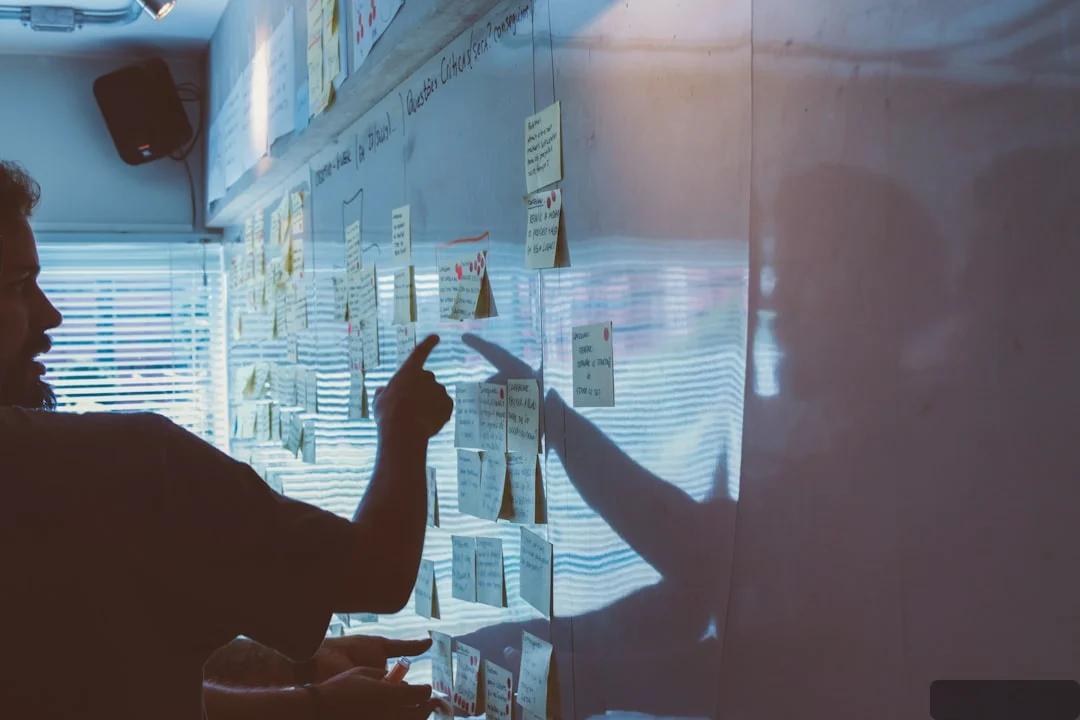
Photo by Akshay Vishwakarma on Unsplash

Stage 1: Completely Unaware
Who are these people? They're about 90% of the users on TikTok or Instagram. They don't know they have a problem you solve. They aren't looking for solutions. They just want to be entertained or learn something cool. They don't know about you or your product. Their main goal is to keep scrolling.
Stage 2: Problem Aware
At this stage, a person feels a certain "pain." They know something is wrong, but they can't quite articulate the problem or don't know that solutions exist. For example, a small business owner sees their videos aren't getting views but doesn't understand why. Is it bad audio, a boring script, or the wrong hashtags? They feel the symptom but haven't diagnosed the illness.
Stage 3: Solution Aware
Here, the person is actively looking for a way out. They're searching Google for "how to improve video quality" or "why are my Instagram Reels flopping?" They know different types of solutions exist—they could hire a specialist, take a course, or use AI tools. They are comparing general approaches, not specific brands or products yet. Their question is "What kind of solution is best for me?"
Stage 4: Product Aware
Now, your potential customer knows about you. They know your product (like Clipwise, for example) is one of the possible solutions to their problem. But they also know about your competitors. At this stage, they're comparing features, pricing, and reading reviews. Their main question is: "Why should I choose you and not someone else?"
Stage 5: Most Aware
This is your warmest audience. These people already know about your product, trust you, and are confident it's the best solution for them. They are almost ready to buy. All they need is a final push. A small incentive to turn their "I should try this someday" into "I'm buying this right now."
How to create content for each stage: Practical video ideas
So, what's the game plan? What kind of content should you create for each stage to effectively move people up the ladder?
For the Unaware (Stage 1)
Your goal here isn't to sell; it's to grab attention and entertain. You need to fit into the feed so smoothly that they don't even think about scrolling past.
- Formats: Trending sounds, humor, relatable life situations, aesthetic videos that evoke emotion. The content should be broad and understandable to everyone, not just your target audience.
- Example (Coffee Brand): Instead of a video saying "our coffee is the best," make a funny clip using a popular sound that shows what a person looks like before and after their first cup of coffee. It sells nothing directly but creates an emotional connection and has a chance to go viral.
- Example (SaaS Tool): Create a skit about the most absurdly inefficient way to do a task that your software automates. Don't mention your software at all. Just make people laugh at the shared pain of manual work.
- CTA (Call to Action): "Follow if you can relate," or "How does your morning start?" Keep it light and non-committal.
For the Problem Aware (Stage 2)
Here, your job is to clearly name your audience's problem and show that you understand it. You become the friend who says, "Hey, I've been there too."
- Formats: Videos with hooks like "5 signs you're...," "The real reason your...," or "Does this sound familiar?" You're talking about the symptoms of the problem. A great tool for this is using a script structure like the PAS Framework: Write TikTok Scripts That Actually Work to agitate the problem effectively.
- Example (SMM Specialist): Make a video with the text overlay: "The real reason your Stories are watched by the same 15 people." You aren't offering a solution yet, just describing their pain with painful accuracy.
- CTA: "Which number is you? Let me know in the comments," or "Drop a '+' if this is you."
For the Solution Aware (Stage 3)
Time to show your expertise. You provide value for free, educating your audience on the different ways their problem can be solved.
- Formats: How-to guides, tutorials, lists of useful tools, "3 ways to do X." You're not hard-selling your product; you're teaching. This builds trust and positions you as an authority.
- Example (AI Video Analytics Tool): Create a video titled "3 free ways to see why people stop watching your videos." You could mention manual analysis, checking TikTok's built-in analytics, and briefly mention AI tools as one of the options.
- CTA: "Save this for later," or "Which method will you try first?"
For the Product Aware (Stage 4)
This is where the selling begins. But not aggressively. Your goal is to prove that your product is the best solution among all the options they're considering.
- Formats: Product demos, before/after case studies, direct comparisons (handle with care), and answering frequently asked questions about your product.
- Example: A screen recording showing how your service, Clipwise, analyzes a video in 30 seconds, finds a weak hook, and suggests 5 better alternatives. You're showing a concrete, desirable result.
- CTA: "Try the free version with the link in our bio," or "Ask us anything about [Your Product] in the comments."
For the Most Aware (Stage 5)
These people are hot leads. They don't need more proof; they need a reason to act now.
- Formats: Testimonials from happy customers, limited-time special offers, announcements of new features, or bonuses with a purchase. Create urgency and reduce friction.
- Example: A video featuring a text-based testimonial: "I was hesitant, but after buying the course, my reach grew by 300% in one month." Or: "48-hour flash sale: 25% off all plans."
- CTA: "Buy now at the link in bio," or "Grab the bonus before it's gone."
Common mistakes that 9 out of 10 creators make
Why does this model so often fail, even when people know about it? Because they make common mistakes that destroy the entire strategy. In our experience at Clipwise, we see these every single day when analyzing user accounts. Check if you're making them too.
The first and biggest mistake is selling to the unaware audience. This is the fastest way to get zero results and burn out. Your video with the "best offer ever" will just get scrolled past because it's irrelevant to someone who hasn't even acknowledged their problem. It's like handing out flyers for a dentist at a rock concert. Wrong time, wrong place.
The second mistake is using complex jargon for people on the lower steps. When you talk about "conversion rates," "CTR," or "audience retention" to people who just want to make a funny video, you push them away. It's a classic case of what we call the Curse of Knowledge Marketing: Why Your Videos Get No Views. You have to speak your audience's language at their level.
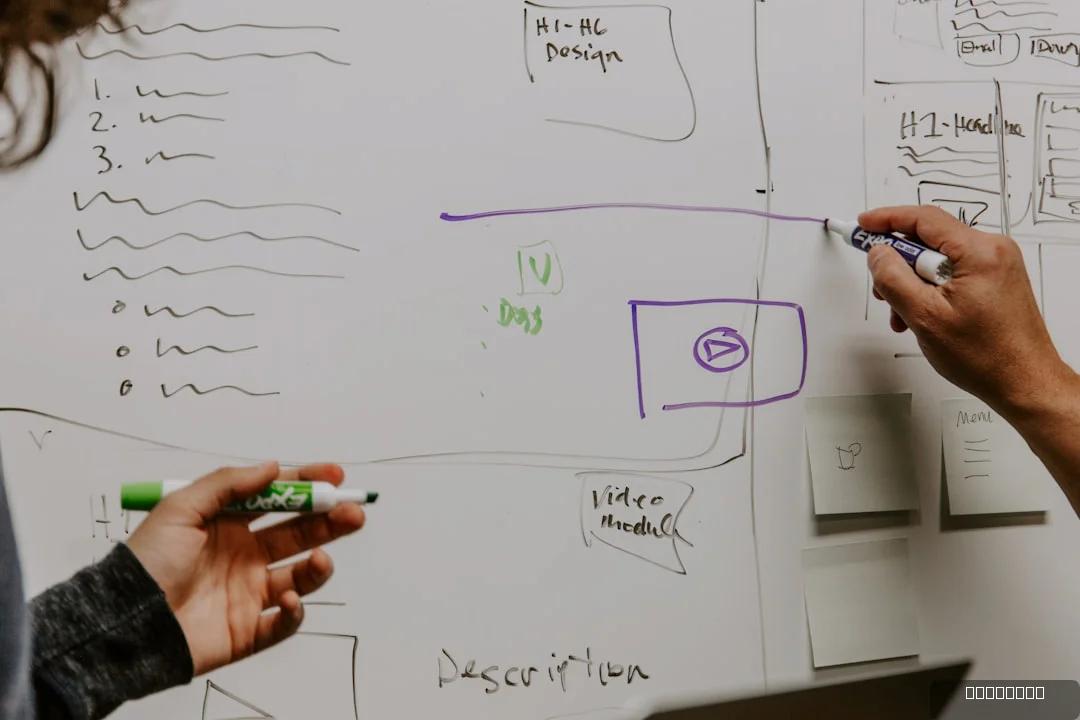
Photo by Alvaro Reyes on Unsplash

A third mistake is getting stuck on one step. So often, accounts only make viral, entertaining content (Stage 1) and then wonder why they have no sales. On the other hand, some expert blogs only make educational videos (Stage 3) but fail to attract a new, cold audience. You need balance. Your content strategy should include videos for at least 3-4 different stages every week. This is a core part of defining The 4 Pillars of Your Content Strategy to ensure you're covering the full customer journey.
And the final mistake is the wrong call to action. Asking someone who is ready to buy to "please follow" is leaving money on the table. But asking someone who sees you for the first time to "buy now" is losing a potential follower. Every CTA must match the stage.
Stop making random videos.
The Awareness Ladder is your reliable compass in the world of short-form video. Use this model as the foundation for your content plan. Analyze your audience, create relevant content for each step, and you'll see views start turning into real, loyal customers. And if you need help analyzing and creating effective videos, you know where to find us at https://tryclipwise.com/en.
Read also
Try Clipwise for free
AI finds TikTok trends, analyzes videos and generates ideas. Starter tokens are free.
Create account
Vlad Tkachenko
Monetization & Sales @ Clipwise