Seasonal Video Content Planning: The 12-Month Marketing Blueprint
Boost short video views with seasonal video content planning. Learn to align posts with holiday peaks, avoid timing mistakes, and ride trend waves naturally.
What is seasonality in marketing?
Seasonality in marketing is the predictable demand shift linked to holidays, weather, school terms, or even days of the week. Think Christmas tree sales in December, iced coffee spikes in July, or the back-to-school rush in late August. It’s not just “people buy more” — the numbers swing wildly. Google Trends data shows searches for “Christmas gift ideas” jump 340% between December 10 and 25. Ignoring these waves is like pedaling into a headwind. You can, but why?
We often accept seasonality as a given: sell more at the holidays, less during vacation season. But for short video creators, it’s not just about ad budgets. Seasonality tells you exactly what content to make and when to publish. A TikTok reel about “5 Gift Ideas for Him” in June gets four times fewer views than in November. Simple reason: nobody’s looking. And platform algorithms smell irrelevance from a mile away — they only push what people want right now. Understanding seasonal rhythms isn’t optional. It’s the base toolkit for any solo creator or small business selling through short videos.
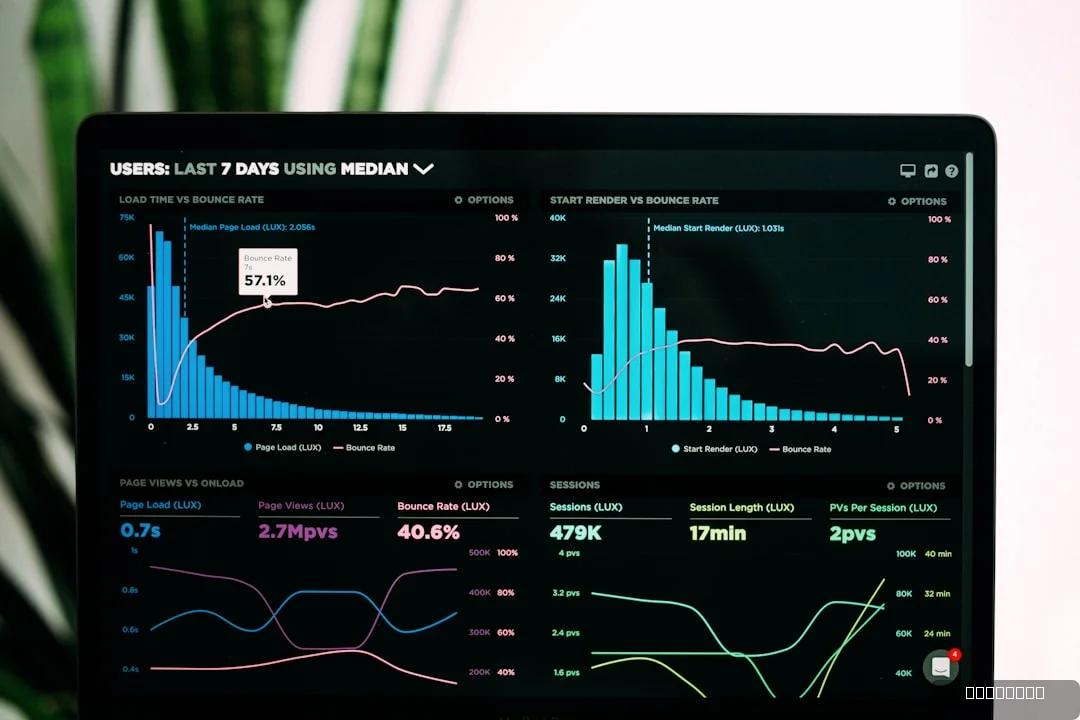
Photo by Towfiqu barbhuiya on Unsplash

Why seasonality matters for short video creators
Why do seasonal videos get more views without extra ad spend? Because they align with intent. Short videos live in a feed built for in-the-moment attention. Their fate is decided in the first three seconds. Release a “summer skincare routine” in January, and most viewers scroll past — even if it’s flawless. Seasonal relevance works like a catalyst. When your content matches what people are already searching for, platforms give it an algorithmic tailwind. That extra push can double or triple reach with zero additional budget.
But there’s a catch. Competition during peak dates is brutal. Picture this: February 13, in the fashion niche, it’s a hundred creators all posting “perfect Valentine’s outfit” simultaneously. If your video didn’t start gaining traction a week earlier, you’re drowned out.
Simple as that.
We often tell ourselves, “I’ll post a couple days before the holiday.” But the stats are relentless: videos published 7–10 days before a peak average 120% more views than those dropped 1–2 days out. Algorithms need time to test your content against audiences and decide whether to push it. Miss the window — miss the reach.
And there’s another angle: seasonality slashes your “warm-up” costs. When a viewer is already mentally primed for a topic — say, hunting for autumn decor ideas — you don’t waste energy convincing them it’s relevant. The need exists. You just supply the answer.
How to plan seasonal content: a step-by-step guide
How do you actually plan a whole year’s worth of seasonal content without driving yourself crazy? It’s less like a rigid timetable, more like assembling a puzzle. Here’s a three-phase system that works for any niche.
Step 1: Build a seasonal events calendar
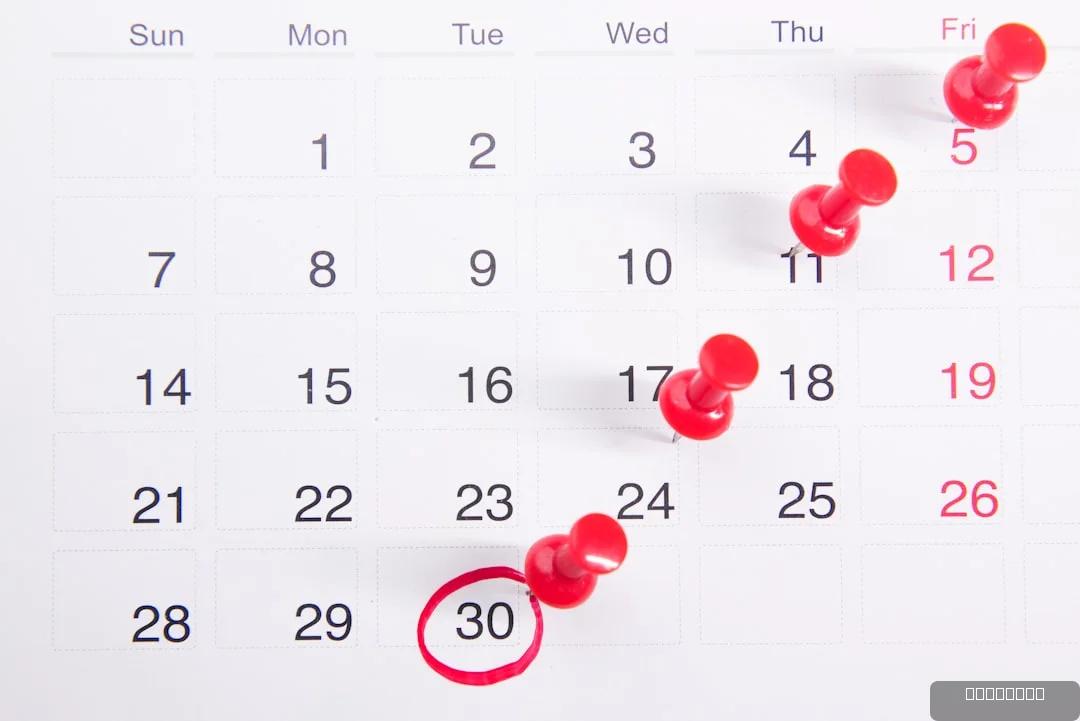
Grab a plain old 12-month calendar. Mark every holiday, event, and even the not-so-obvious dates that resonate with your audience. Not just Christmas and New Year’s. For a home goods brand, September is “return to routine” season — people update bedding. For a sportswear creator, marathons, World Cups, even weather shifts trigger content. Unusual? Data proves it: “how to lose weight for summer” searches spike 200% as early as March, not May. And “teacher gift ideas” peak in the last week of May, not September. So drill down to weekly precision.
Photo by Alexa Williams on Unsplash

Step 2: Analyze your past data
You’re not guessing, right? Open your TikTok Analytics or Instagram Insights — you need a business account — and look at which videos flew this time last year. Hard numbers beat assumptions. Last year, your “10 advent calendar ideas” reel hit 50,000 views, but only started rolling from December 10. So this year, publish on December 5. Give it a head start. In our experience, analyzing historical data cuts experimentation costs by about 40%. And it’s free.
What if you have zero data? Turn to public tools. Google Trends shows query patterns over the last five years — perfect for predicting spikes. For fashion, “spring trench coats 2026” will start climbing in February, not March. Those little details make all the difference.
Step 3: Create a content plan — and start early
With calendar and data in hand, map specific video formats for each peak. Rule one: prepare at least 14 days before publishing. Not one day. Not three. Two weeks gives you room for reshooting, testing different hooks, and balancing workload. Imagine you need five videos for the Christmas season. Starting on December 1 means you’ll rush out maybe one, and quality suffers. Starting mid-November lets you try unboxing, comparison, and even “worst gift” formats — each with its own hook.
Also, microseasons often outperform macro ones. “Back to School” for a stationery shop is the week before September 1. But for an online English tutoring service, it’s the entire month of August, when parents frantically search for kids’ activities. Find your microseasons, and you’ll outmaneuver competitors who just stare at December.
Example: how a bakery used seasonality in Reels
Take a small London bakery, Sweet Mornings (name changed, story real). They make custom cakes. Until August 2025, their Instagram Reels averaged 800 views — whether they showed a honey cake in January or a berry mousse in July. Then they switched tactics. They built a year-long calendar: February 10 — “red velvet recipe” Reel 10 days before Valentine’s; March 1 — “best floral cake decorations” 8 days before Mother’s Day (UK); April — Easter decorating tutorial two weeks out. What happened? The March reel hit 12,000 views. The Easter reel exploded to 27,000. That’s a 15x lift — just by tying content to dates and giving the algorithm enough runway.
The summer fail is instructive. In June 2025, they decided to “skip the effort” and posted a generic behind-the-scenes reel with no seasonal hook. Result: views dropped back to 900. Summer content can work. They just missed the microseason. A “no-bake cakes for hot weather” series could’ve popped off. Seasonality in marketing teaches us to hunt these hooks instead of blaming low reach.
Common mistakes in seasonal marketing
Now, what ruins results for even savvy creators.
Starting too late
The most common mistake: launching a seasonal campaign 1–2 days before the peak. As we’ve said, algorithms need at least 7 days to test your content on different audiences. Plus, people need time to decide. The Rule of 7 in marketing (yes, we wrote about it) applies to short video too: a viewer typically needs several brand touches before ordering. If your content goes live December 22, it has zero chance to accumulate those touches. You end up with a video seen by 100 people instead of 10,000.
Ignoring microseasons
Everyone gears up for the holidays, but few notice that late January is “resolution season,” when gym sign-ups spike. For an online fitness coach, that’s a goldmine. Or early November for home decor shops: people start planning festive makeovers, yet competition is still low. Don’t fixate on obvious holidays — your competitors have already flooded that road. Look around: bank holiday weekends, allergy season (for pharmacies), first frost (for auto shops). These are your microseasons.
Relying on one format
Publish three videos on the same theme and think you’ve covered the season? Algorithms hate monotony. If you’re selling winter jackets, don’t just film “5 best models.” Try “how to choose a jacket for your body shape,” “what they’re wearing in Tokyo this winter,” “extreme cold test at -4°F.” And plan this variety at least a month ahead. We work this way ourselves: if something doesn’t fly, we have time to re-edit into a resonating format. But that buffer only exists if you started early — not on December 23 at 11:30 PM.
To steer clear of these pitfalls, take another look at your posting rhythm. A system saves you from the seasonal scramble. (Check our guide on Content Frequency & Consistency if burnout’s looming.)
Tools for seasonal planning
You can manage everything in Google Sheets. That works. But when you need to spot seasonal trends in your specific niche quickly, manual hunting falls short. Sometimes we use tools that surface which sounds, hashtags, or topics are beginning to take off in real time. Not magic — but it beats relying on gut feel, which can lead you astray. We prefer numbers.
If you’re curious about how AI can break down what’s already working for others, our piece on AI for Marketers: Deconstructing a 6M View Video Formula might give you fresh ideas for your own hooks. For more hands-on strategies, explore our blog.
Remember: start with a physical calendar on your wall. And stick a note on it: “14 days before publish.” That one habit changes everything. Seasonal video content planning isn’t about complex strategies. It’s about being in the right place, at the right time, with the right video. And the right time? You can calculate that ahead of time.
Try Clipwise for free
AI finds TikTok trends, analyzes videos and generates ideas. Starter tokens are free.
Create account
Vlad Tkachenko
Monetization & Sales @ Clipwise