Shorts Video Audits: Why Sentiment Beats Likes
Your short-form video got a million views, but what if the comments are negative? Learn how a Shorts video audit using sentiment analysis beats vanity metrics. Find out what your audience really thinks.
Your video hit 1 million views. Congrats. Now for the bad news.
Views are an ego metric. Likes are a nice, but often empty, signal. The real currency in 2026 isn't reach; it's understanding. It’s knowing what your audience actually feels when they watch your content. Imagine your viral video didn't spark joy, but a hidden annoyance or sarcasm you missed. That 1 million views could be working against you.
This is why a surface-level look at analytics doesn't cut it anymore. You need a deep shorts video audit that goes beyond the numbers. It digs into the comments to understand emotions, moods, and hidden meanings. This is the field where sentiment analysis becomes the main tool for any creator who wants to build a long-term community, not just chase hype.
And this is where AI for content creators, trained to process thousands of comments in minutes, comes in. But more on that later.
What is sentiment analysis (and why isn't it just 'positive/negative')?
Do you think sentiment analysis is just sorting comments into two piles: "love it" and "hate it"? That idea is about five years out of date. Modern sentiment analysis is a detailed psychological profile of your audience. It distinguishes not just polarity but specific emotions: joy, anger, surprise, disgust, fear, and most importantly for the internet, sarcasm and irony.
That's sentiment analysis.
Why is this so important? Because a comment like "Wow, genius" under a video of a failed life hack isn't a compliment. And a phrase like "the price is astronomical" can be either a critique or a statement about a product's premium status. Context is everything. According to a recent review from Sprout Social, the best tools on the market moved past simple keyword recognition years ago. They analyze relationships between words, emojis, and even punctuation to give the most accurate picture.
For a creator, this means you can hear what your audience is whispering, not just what they're shouting. You might see that 30% of viewers are joking about your new background, 15% genuinely don't understand part of your tutorial, and 5% are disappointed because they expected something else. And that information is far more valuable than 10,000 likes from people who watched your video on autopilot.
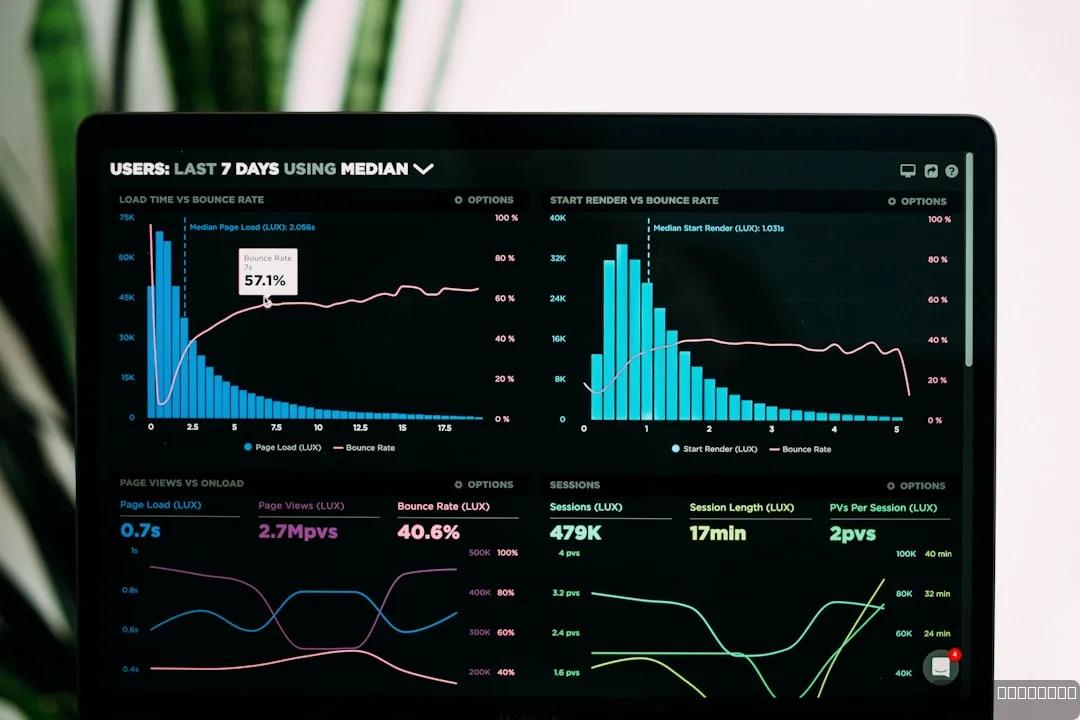
Photo by Luke Chesser on Unsplash

How comment analysis turns a video audit into a weapon
What's the point of a reels video analysis or Shorts audit if you ignore the only direct channel of feedback—the comments? Analyzing a video without analyzing the reaction to it is like performing on stage with your eyes and ears closed. You're doing something, but you have no idea how the audience is receiving it. Sentiment analysis in comments transforms a standard audit into a strategy session.
Let's imagine you're a finance expert and you made a video about why people shouldn't take out payday loans. The video gets 200,000 views. A surface analysis shows high engagement. But a deep dive into the comments could reveal that:
- 45% of comments are stories from people already trapped in debt. This is a signal that the topic is painful and needs a follow-up with specific solutions.
- 25% of comments express distrust ("easy for you to say when you have money"). This points to a perception barrier you need to work on in future videos by showing more empathy.
- 15% are direct questions ("what do I do if I already took one out?"). These are ready-made topics for your next 5-10 videos.
- 15% are positive feedback and thanks.
See the difference? Instead of just thinking, "Oh, the video did well," you get a clear action plan based on the real needs of your audience. It stops being just creative work and becomes a data-driven content strategy.
A practical case study: breaking down a 100k-view video
A tech reviewer in the UK released a video about a new smartphone. The numbers looked great: 100,000 views, 8,000 likes, 500 shares. At first glance, a success. But an AI for SMM tool analyzed the 1,200 comments and painted a different picture:
- Positive (30%): Excitement about the design and camera. ("Looks amazing!", "That camera is insane!")
- Negative (40%): Disappointment with the price and weak battery. ("For $1200 it can't even last a day?", "Overpriced again.")
- Neutral/Questions (30%): Confusion about how a new feature works. ("How do you turn that on?", "Didn't get the point of that feature.")
practical takeaways for the creator:
- The audience values aesthetics but is very sensitive to price and practicality (battery).
- They need to make a separate, detailed video explaining the new feature. This is another potential viral video.
- In future reviews, they should focus more on battery tests and the price-to-performance ratio.
This is an effective audit. Not just stating a fact, but finding points for growth.
The tools for analysis: from manual work to AI
So how do you conduct such a deep analysis? When you have 10 comments under a video, you can do it by hand. Just sit down and read each one carefully, trying to catch the mood. This is the best method to start with because it teaches you to feel your audience. But what do you do when there are hundreds or thousands of comments? Manual analysis becomes impossible.
This is where technology comes in. Large corporate social media monitoring systems exist, but they are expensive and complex for a single creator. However, more and more tools are appearing that are aimed specifically at content creators. A modern AI tool can connect to your profile and analyze the stream of comments in real time, giving you a report on the prevailing sentiments.
But can AI really understand internet sarcasm?
This is the main question and skepticism we often hear. A few years ago, the answer would have been "no." AI got confused by irony, didn't understand local memes, and took "just brilliant" at face value. But times have changed. The models on which modern tools are built have been trained on giant datasets of text from across the internet, including forums, social networks, and blogs from dozens of countries.
They learn to recognize context. For example, if the clown emoji 🤡 is added to the comment "great decision," the system will mark it as sarcastic with high probability. It analyzes not a single word, but the entire phrase, the user's comment history, and the general tone of the discussion under the video.
However, no system is perfect. AI can make mistakes. We think the best approach is an 80/20 combination. 80% of the sorting and analysis is done by AI, and 20% is your human oversight and interpretation. The AI will show you general trends and anomalies, and you can then dive into specific comment threads to understand the nuances.
Photo by Brett Jordan on Unsplash

How to use sentiment data to grow your channel
Okay, we've collected the data. What's next? Information without action is just noise. Here are four specific ways to turn sentiment analysis into fuel for your growth.
Optimize your content strategy. This is the most obvious one. If you see that your audience loves the "before/after" format, but jokes about a sensitive topic only provoke aggression, you know what to do. Sentiment analysis allows you to make decisions not on a whim ("I think this will be interesting"), but based on clear signals from your viewers.
Improve your product or service. If you're an expert who sells consultations, courses, or products, comments are free market research. You see what your customers don't understand, what worries them, and what objections they have. Every negative comment about price is an opportunity to better explain the value in your next video. As we've written before about content frameworks, understanding the audience's pain points is key to making content that connects. Check out our guide on The PAS Framework: Write TikTok Scripts That Actually Work for more on this.
Crisis management. Imagine you said something careless in a video. A wave of negativity starts with a few comments. A sentiment analysis system can instantly detect a sharp spike in negative emotions and notify you. This gives you a chance to react quickly: delete the video, apologize, or provide an explanation before the situation gets out of control and screenshots spread everywhere.
Find "golden" ideas. The best content answers questions that are already in your audience's heads. By analyzing comments, you can find hundreds of these questions. If 10 people asked "what's the minimum amount to start with?" under your video about investing, you have a topic for your next video that is guaranteed to be interesting to your target audience.
Of course, you shouldn't take every comment as the absolute truth. But ignoring the general trends is to consciously give up the most valuable resource you have. Your audience.
Try Clipwise for free
AI finds TikTok trends, analyzes videos and generates ideas. Starter tokens are free.
Create account
Sofia Melnyk
Growth Marketing & Analytics @ Clipwise